
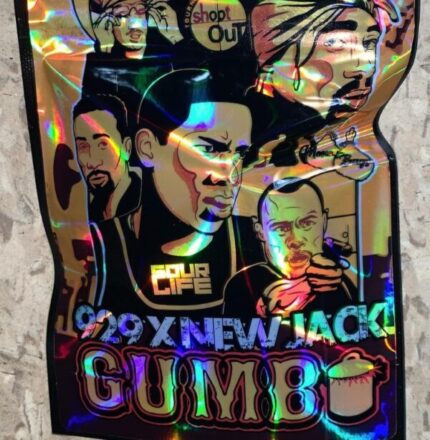
Gumbo | 929 x New Jack
Gumbo is more than just a dish; it’s a culinary tale steeped in history, culture, and tradition. With its roots tracing back to Louisiana, particularly New Orleans, gumbo embodies the rich influences of Creole and Cajun cultures. In this article, we will explore the various components that make gumbo a beloved staple and how a collaboration like that of 929 x New Jack reinforces gumbo’s cultural significance.
The Origins of Gumbo
The origins of gumbo date back to the 18th century and are often attributed to the melding of African, French, and Spanish culinary traditions. Traditionally, gumbo features a diverse array of ingredients, including meats, seafood, and vegetables, all simmered together in a rich, thick broth. The key to authentic gumbo lies in its roux—a flavorful mixture of flour and fat, cooked until it reaches a dark brown hue. This foundational element not only thickens the broth but also adds deep, complex flavors.
The word gumbo itself is said to be derived from the African word ki ngombo, which refers to okra, a common ingredient that helps to thicken the stew. While okra is a traditional thickening agent, some variations of gumbo utilize filé powder, made from dried sassafras leaves, adding another layer of flavor.
Diverse Ingredients and Flavors
The beauty of gumbo lies in its adaptability. Each cook puts their own spin on the dish, making it a canvas for creativity in the kitchen. At its core, gumbo typically consists of a protein base—often chicken, sausage, or seafood—that is enhanced by the Holy Trinity of Cajun cooking: onions, bell peppers, and celery.
In a classic gumbo, the combination of these ingredients melds together, creating a hearty dish that celebrates the flavors of the Bayou. Seafood gumbo, for instance, often incorporates shrimp, crab, and oysters, capturing the essence of coastal Louisiana. Alternatively, a chicken and sausage gumbo might use smoked sausage, infusing the dish with a smoky depth.
For those who enjoy a little heat, adding cayenne pepper or hot sauce can elevate the flavor profile and provide an exciting kick. The result is an explosion of tastes and textures that come together in a warm, inviting bowl.
The Role of 929 x New Jack
The collaboration of 929 and New Jack highlights the cultural significance of gumbo, as it brings together different creative forces to celebrate this culinary treasure. Such collaborations foster innovation and respect for tradition, allowing chefs and food enthusiasts alike to explore gumbo while staying true to its roots.
When 929 and New Jack come together, they don’t just mix ingredients; they blend cultures and ideas. This partnership serves as a reminder that gumbo is more than a dish—it’s a communal experience that brings people together.
Cooking Your Own Gumbo
If you’re inspired by the distinctive nature of gumbo and want to create your own version at home, here’s a simple recipe to get you started:
Ingredients:
– 1 cup vegetable oil
– 1 cup all-purpose flour
– 1 onion, diced
– 1 green bell pepper, diced
– 1 celery stalk, diced
– 2 cloves garlic, minced
– 1 pound smoked sausage, sliced
– 1 pound chicken thighs, diced
– 4 cups chicken stock
– 1 can diced tomatoes
– 1 cup okra, sliced
– 2 teaspoons Creole seasoning
– Salt and pepper to taste
– Cooked white rice
– Fresh parsley for garnish
Instructions:
1. Make the Roux: In a large pot, heat the vegetable oil over medium heat. Gradually whisk in the flour and stir constantly until the roux turns a deep brown color, about 20-30 minutes. Be careful not to burn it.
2. Add Vegetables: Stir in the diced onion, bell pepper, celery, and garlic. Cook until the vegetables are soft, around 5-7 minutes.
3. Incorporate Meat: Add the smoked sausage and chicken to the pot, cooking until browned on the outside.
4. Build the Flavor: Pour in the chicken stock and diced tomatoes. Stir to combine, then add the okra and Creole seasoning. Season with salt and pepper to taste.
5. Simmer: Bring the mixture to a boil, then reduce the heat to low and let it simmer for about an hour, allowing the flavors to meld together.
6. Serve: Ladle the gumbo over cooked white rice and garnish with fresh parsley.
Conclusion
The celebration of gumbo, as illustrated in the collaboration between 929 and New Jack, highlights the dish’s rich history and cultural importance. Every bowl of gumbo tells a story of tradition and innovation, making it not just a meal but a shared experience. Whether enjoyed at home or in a community setting, gumbo unites people through the universal language of good food. Dive in and let the flavors transport you to the heart of Louisiana, where every spoonful is a taste of history and heritage.




Reviews
There are no reviews yet.